
Urban Cross-Pollination
Urban Cross-Pollination (UCP) brings artists, urban developers, and local stakeholders together in Tartu and Oslo to co-create future scenarios for two areas: Aparaaditehas surroundings and Grünerløkka. Through art-based cross-innovation workshops, participants explore spatial, social, and economic questions and develop actionable roadmaps that will be presented in exhibitions and a digital catalogue.
Collaborative initiative by De Structura and Natural State
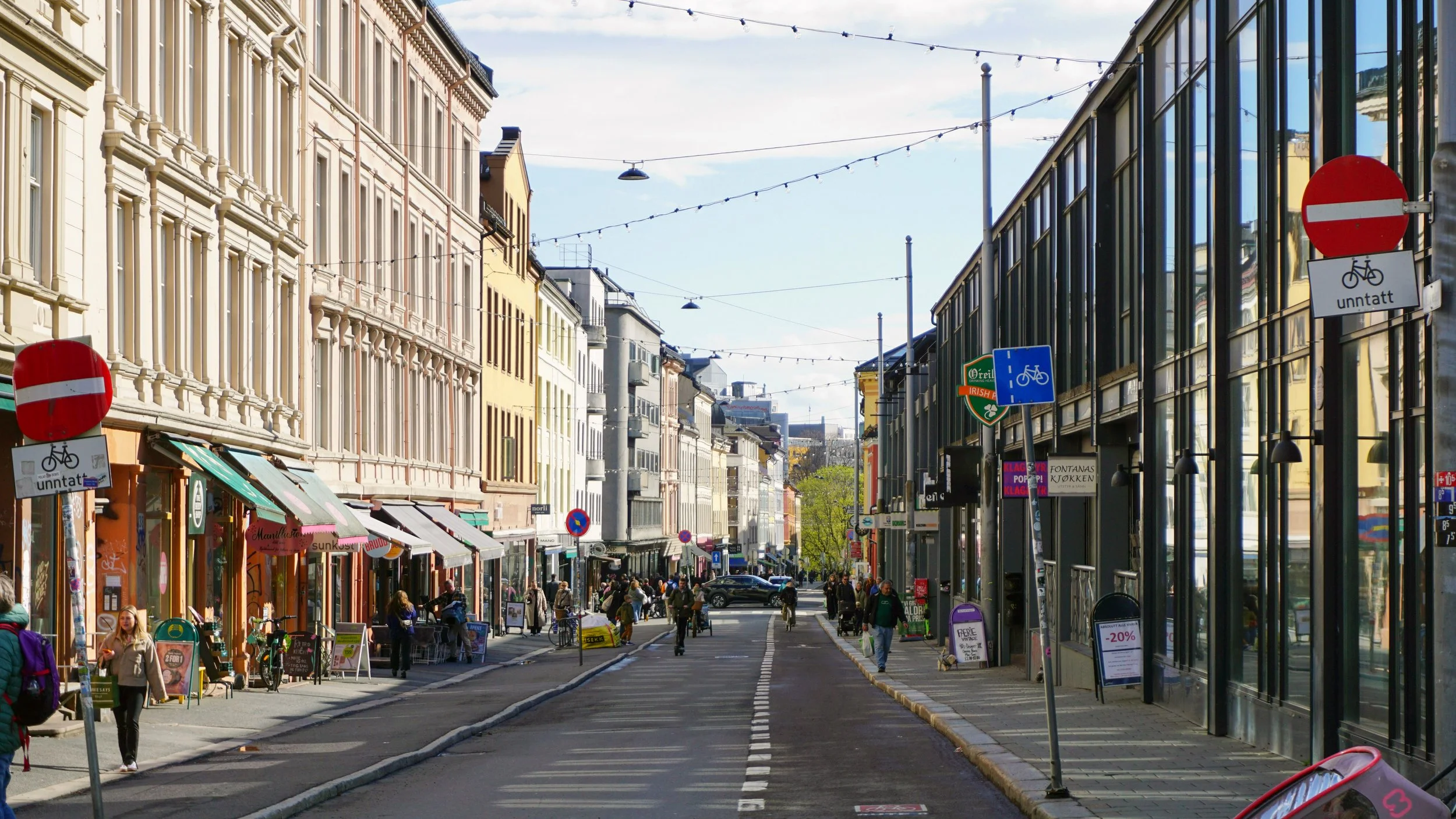
Urban Cross-Pollination happens through constant negotiation between many actors: planners, artists, entrepreneurs, residents, institutions. Some are visible, others less so. All of them shape everyday life. Diverse communities do not simply appear on their own. They are created, supported, and actively brought into being.
UCP grows from this understanding
It responds to the lack of open spaces where disagreement, experimentation, and cross-disciplinary exchange can happen outside rigid institutions. Too often, urban development follows narrow economic logic or stays within professional silos. Creative practitioners are invited late to decorate or soften decisions that are already made.
Our project seeks to change this order.
About the project
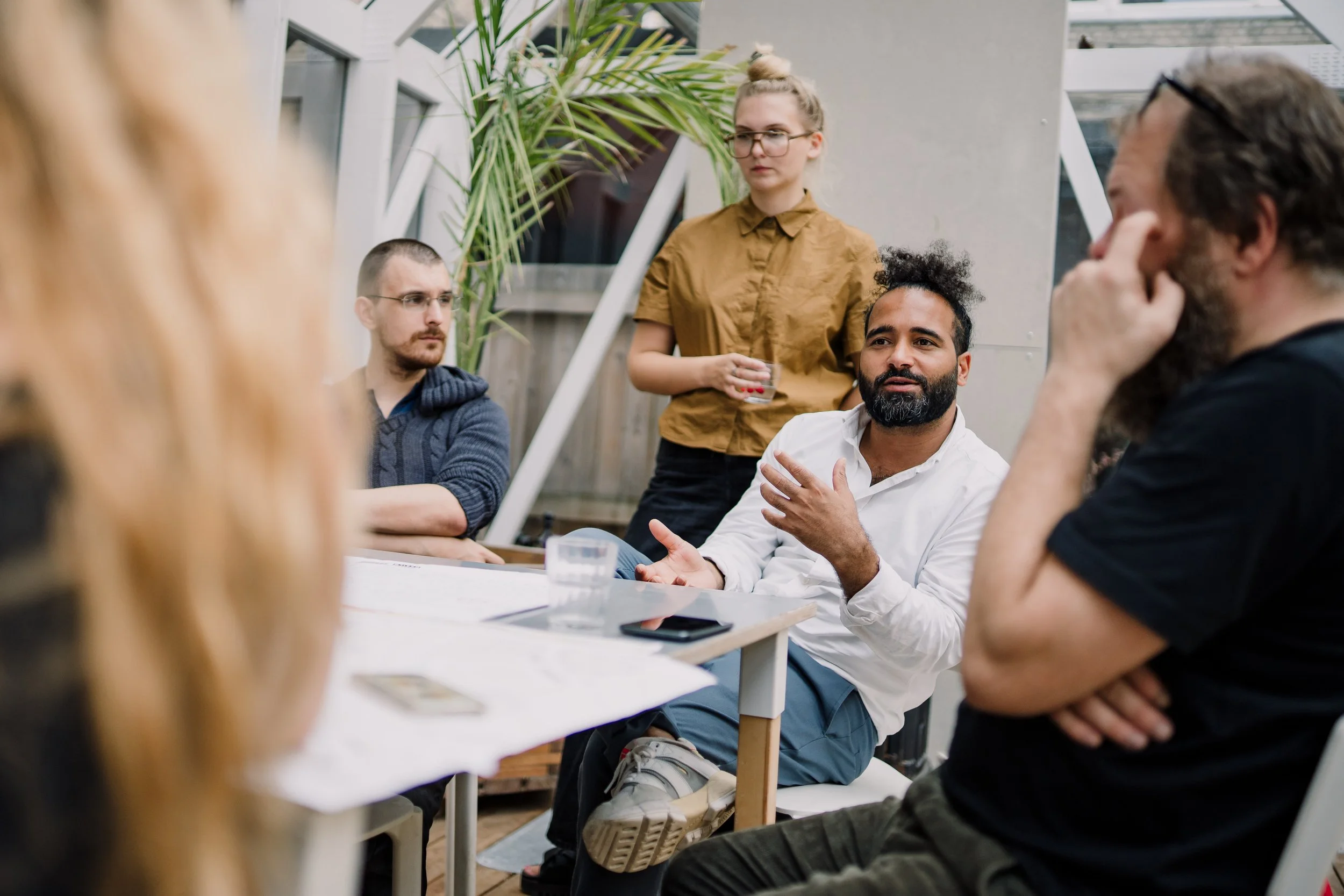
Urban Cross-Pollination (UCP) is a collaborative initiative by De Structura and Natural State that explores how art-based methods can inform urban development. The project unfolds through two intensive cross-sector workshops: one in Aparaaditehas, Tartu, and one in Grünerløkka, Oslo.
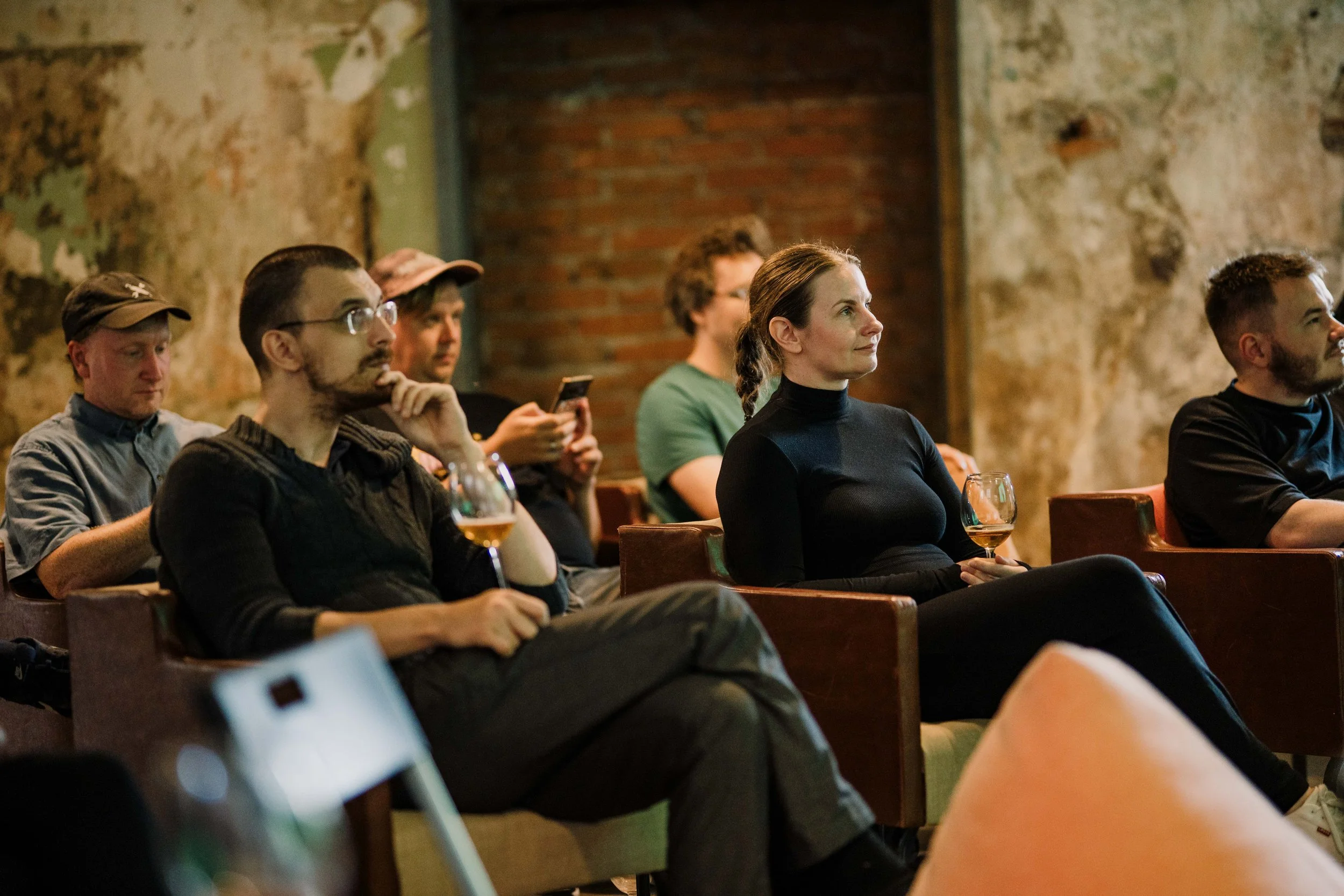
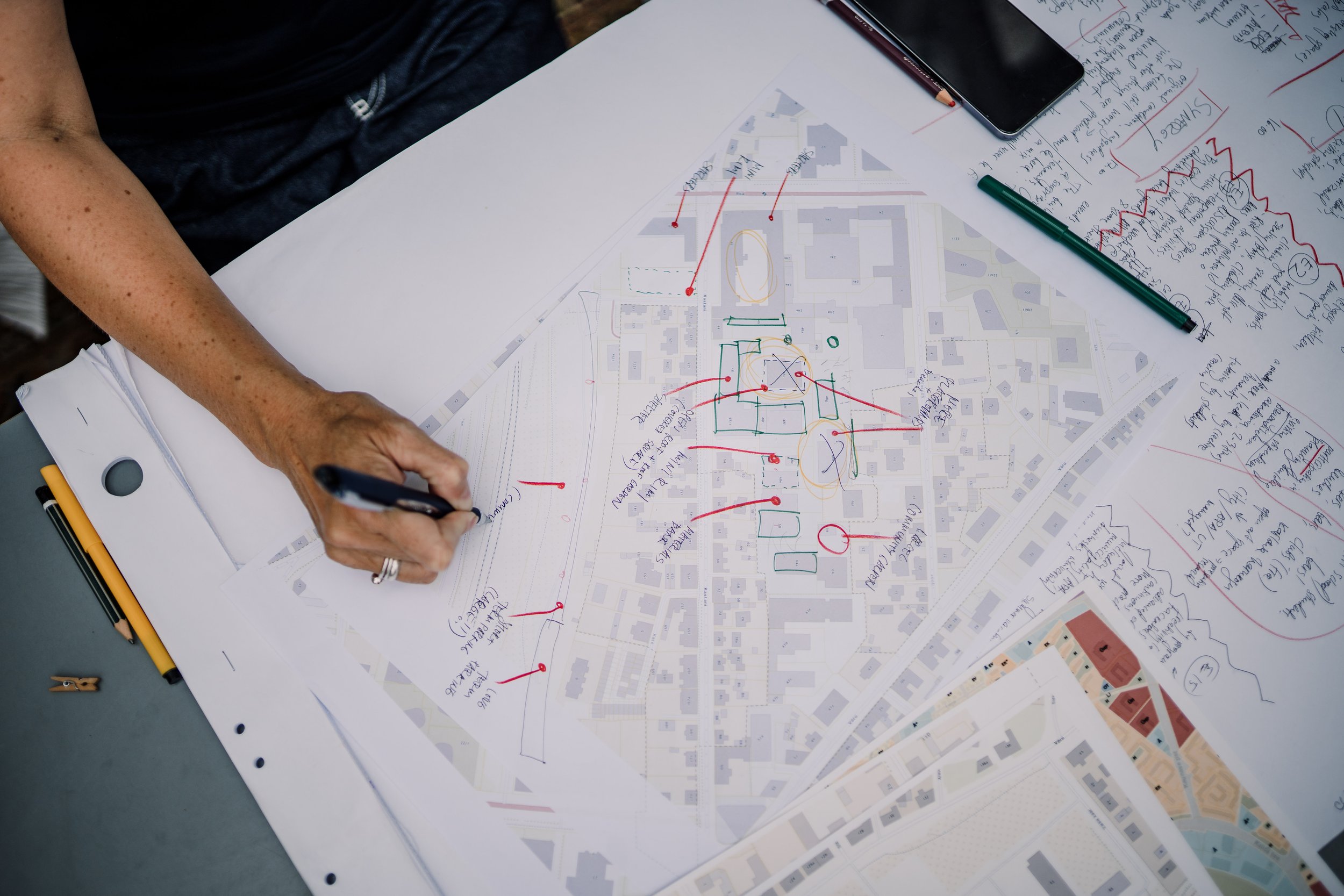
Each session brings together practitioners from creative fields, urban planning, sustainability, business, and community work. Working in small, facilitated groups, participants engage directly with the specific conditions of each site, its stakeholders, spatial qualities, economic dynamics, and social challenges.
In Tartu, the focus is on expanding the synergy of the post-industrial Aparaaditehas quarter while maintaining its unique character and community-based trust structures. In Oslo, the project builds on Natural State’s analytical and value-mapping approach to strengthen neighbourhood identity, multifunctional spaces, and long-term economic sustainability in Grünerløkka.
The results will be presented in an exhibition, curated by Yana Ustymenko, and compiled into a digital catalogue, offering both inspiration and practical tools for future cross-sector urban collaboration.
For creatives, it is an occasion to enter existing planning systems with a critical and collaborative approach and help shape cities as lived, shared, and complex environments.
For locals, this is an opportunity to be involved early in the development process, sharing everyday knowledge, needs, and ambitions. Residents, businesses, and researchers bring lived experience and local insight.
For urban development professionals, it is about expanding expertise through dialogue and cross-sector exchange. Planners, strategists, and policymakers gain access to new perspectives and methods.
Aparaaditehas
Aparaaditehas is a former industrial complex in Tartu that has evolved into a dense ecosystem of creative and small-scale commercial activity. Galleries, workshops, restaurants, studios, start-ups, NGOs, cultural institutions, and informal community initiatives coexist within its rugged, unfinished structures.
The surrounding area extends the network: local residents, schools, university facilities, transport nodes, small industries, and green corridors create a layered urban context . Tartu functions as a “5-minute city,” where most amenities are within reach, yet certain social and spatial functions remain insufficient or fragmented.
The ambition is to carefully accumulate missing services and shared infrastructures while preserving trust-based collaboration and grassroots character.
Grünerløkka
Grünerløkka in Oslo is an established inner-city neighbourhood characterised by steady population growth, a young demographic profile, and a high proportion of single-person households. It is attractive, dense, and economically diverse, yet its development requires careful coordination between private ownership structures, commercial life, and public space programming.
Natural State’s ongoing work with the local building owners’ association applies analytical mapping tools to clarify collaboration goals, tenant structures, recruitment strategies, and long-term area optimisation. The method integrates natural, human, and societal value in order to define sustainable market value and economic potential.
Within UCP, creative practitioners enter an already active planning process, offering new perspectives on multifunctional spaces, and the subtle qualities that shape belonging in a rapidly evolving urban environment.

Urban Cross Pollination is funded by the European Union. Views and opinions expressed are however those of the author(s) only and do not necessarily reflect those of the European Union or EACEA.